What actually makes a mineral specimen valuable to collectors
Size, color, and rarity are only part of the answer
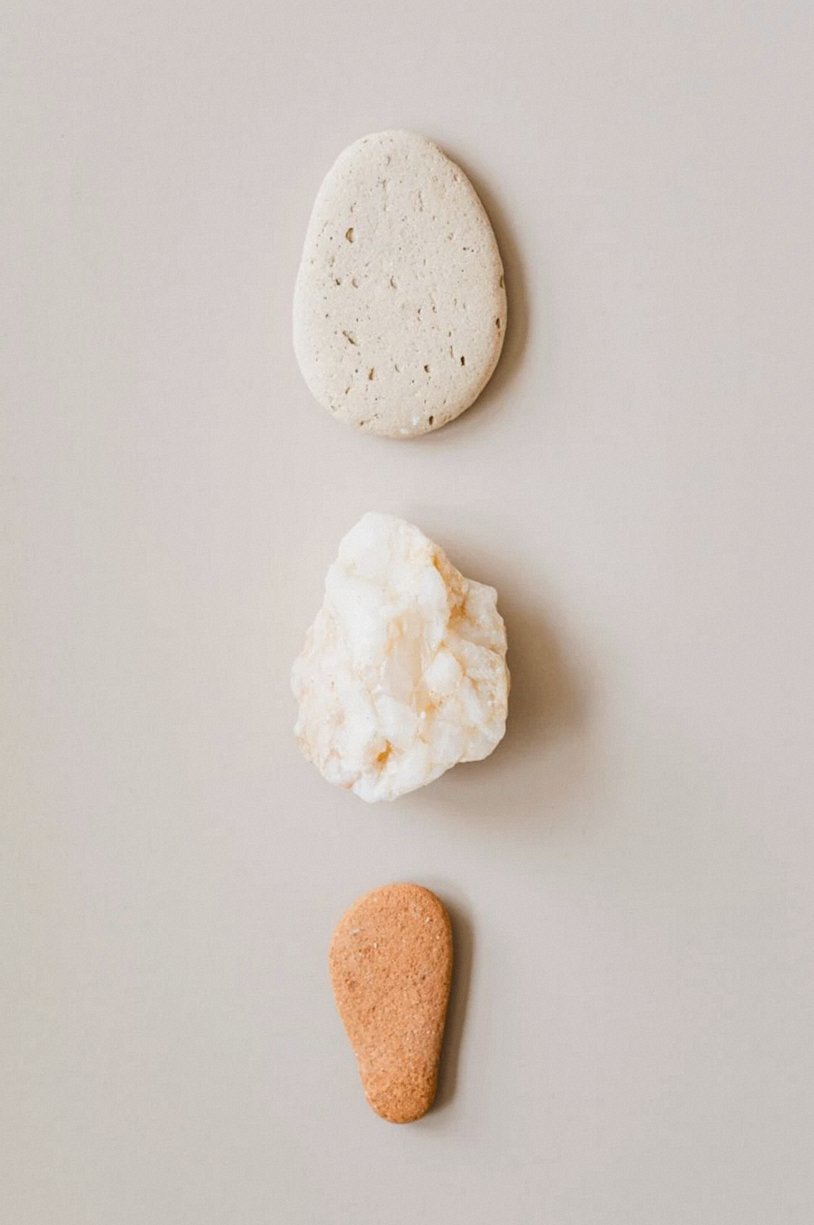
People ask Joseph this question regularly, usually while holding a piece and trying to decide whether the price makes sense. The answer is never one thing. Mineral specimen value is a combination of factors that interact in ways that are not always, and understanding them makes you a better buyer regardless of your budget.
Locality: the factor that surprises most beginners
Two amethyst geodes can look nearly identical and have very different values based entirely on where they came from. A geode from a well-documented locality with a history of producing exceptional specimens will command more than a visually similar piece from an undocumented source, even if the crystals are comparable.
This is not snobbery. Locality documentation is what allows a piece to be understood in geological context, and it is what makes provenance traceable over decades. Collectors who have been at it for twenty years care about this deeply, and the market reflects that.
Aesthetics: what the eye actually responds to
Crystal clarity, color saturation, the geometry of a formation, the contrast between a mineral and its matrix. These are the things that make a piece stop you when you walk past it. They are real factors, and they are not reducible to a formula.
Joseph pays particular attention to what he calls 'display quality': whether a piece looks good from the angle it will actually be seen from in a room. A specimen that photographs beautifully from one angle but looks flat from every other is a less useful object than one that holds up from multiple viewpoints.
- Crystal clarity and transparency
- Color saturation and consistency
- Formation geometry. Symmetry, completeness
- Matrix contrast and quality
- Display stability. Does it sit well without a stand?
Condition and what counts as damage
Natural contact marks. The points where a crystal touched the rock it grew in. Are not damage. They are part of the piece's history and are generally accepted by collectors. Broken crystal tips, repaired sections, and artificially enhanced color are different matters.
A piece that has been repaired is not necessarily worthless, but the repair should be disclosed. Artificially enhanced color. Dyeing, irradiation, heat treatment. Is common in the commercial mineral trade and is not inherently dishonest, but it should be labeled as such. When it is not, it is a problem.
Documentation and what it adds over time
A piece with a complete provenance record. Locality, collection date, previous owners. Is a more durable object than one without. Not because the documentation changes the mineral, but because it allows the piece to be understood and authenticated by future owners. For collectors who think in decades, this matters.
Value in minerals is partly objective and partly a matter of what you are looking for. Knowing the difference between those two things is most of what experience teaches.